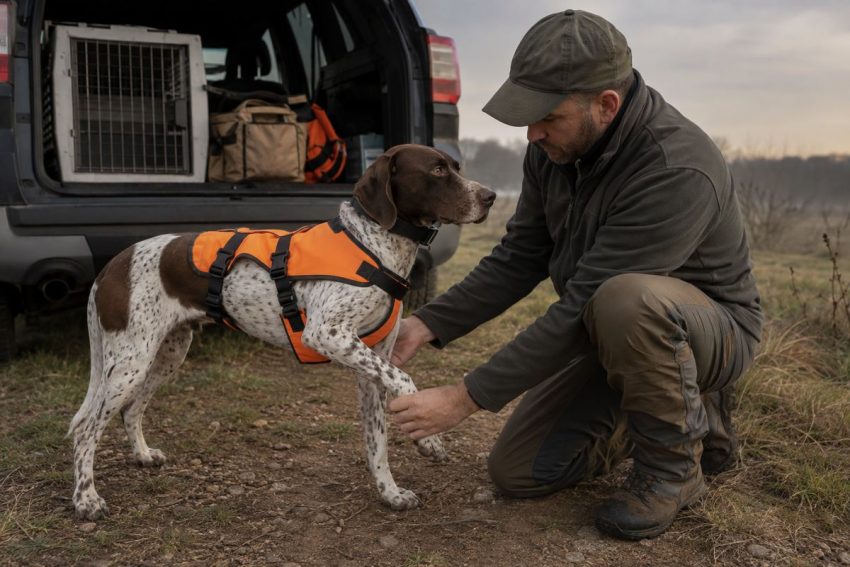
A dog can look strong and healthy in the garden. Still struggle after a few hours on rough ground in cold weather or when its warm. The real challenge is knowing what is normal for that dog, when to take a break and when to call it a day. Good preparation helps reduce confusion. That means checking the dog's health building fitness slowly using the gear and being ready for injury or illness.
Start with the dog in front of you
Preparation should begin days before the trip. Watch how the dog walks, gets up from rest and moves on stairs or uneven ground. Look for stiffness hesitation to jump a shorter step or repeated licking at a joint. Pay attention to any change in mood or behavior. A dog that hides pain may still seem eager to work.
Check the dog's appetite how water it drinks the condition of its stool and its coat. Examine the paw pads for cracks, trapped dirt or soreness. Look between the toes for grass seeds, thorns or irritation. The ears and eyes should be clean with no signs of discharge. If anything looks off ask a vet before going with a tough day. A dog's eagerness doesn't mean it's fit.
Build field fitness gradually
A fit working dog doesn't get there from walks on smooth pavement. Conditioning must match the terrain and pace it will face. Include walking, different surfaces, gentle hills and controlled activity with rest periods. Increase one factor at a time. Adding distance, ground and speed together makes it hard to tell what caused the problem.
Puppies, dogs, dogs recovering from illness and breeds with joint or breathing issues need extra care. Exercise should end when the dog is calm and moving well-not exhausted or upset. Heavy panting that doesn't stop, weakness, wobbling, vomiting, confusion or strong reluctance to keep going are signs to stop and get advice.
Rest is part of training. Two hard days in a row can turn a strain into something serious. The right workload depends on age, body shape, weather, terrain and past training. Don't copy someone 's routine. Each dog is different.
Match equipment to the conditions
A collar or harness must fit well-no rubbing, no choking, no catching on plants. Check buckles, stitching, tags. Leads before heading out. If the dog wears a vest, coat or booties try them on during walks first. New gear can change how the dog moves and create pressure points when worn for hours.
Carry water and a clean container. In weather plan for shade and rest breaks. Don't expect the dog to manage its pace. In wet conditions a wet dog can lose heat fast-especially if it is thin, old or clipped. Bring drying material and a way to keep the dog warm during transport.
Equipment helps,. It doesn't replace your judgment. A reflective vest improves visibility. You must still watch for roads, animals, people, guns and local rules about access or shooting.
Make a pre-departure check
A quick check before leaving stops last-minute mistakes. Keep it short so you do it every time:
– Confirm the dog is healthy, energetic and moving normally.
– Check pads, nails, ears, eyes and coat.
– Pack water, food if needed, waste bags and a secure lead.
– Carry a first aid kit with clean bandages and a tick remover.
– Take contact details for the owner, vet and nearest emergency clinic.
– Check the weather, ground conditions, access rules and current local regulations.
– Tell someone where you are going. When you expect to return.
A first aid kit is for care-not for handling injuries you're not trained for. Never give medicine unless a vet tells you to.
Know when a pause is not
Small problems can get worse if the dog keeps working. A torn pad, bleeding wound, possible foreign object, painful eye, coughing or sudden limping means stop and check. Keep the dog calm. Limit movement. Apply pressure to control bleeding if needed. Do not pull out something poke at a wound or force food or water into a stressed dog.
Heat illness is serious. Excessive panting, drooling, weakness, vomiting, confusion or collapse are not signs to keep going. Get the dog out of the heat. Cool it down slowly with water and airflow. Call a vet away. Avoid ice baths. Waiting to see if it gets better.
If the dog was hit, fell, got caught in wire or was in a road accident get help even if it seems okay. Internal injuries and shock aren't always visible. Transport the dog carefully. Support the body. Keep the airway open. Get vet guidance fast.
Keep the day within the dogs limits
gundog care shows in the choices you make during the day-not just in planning. Watch the dog between runs and after rest. A loose responsive dog that recovers quickly gives a picture than one that slows down becomes unsteady stays quiet or refuses to go back into cover.
Also manage the surroundings. Be respectful with livestock. Stay in control near roads and public paths. Follow landowner rules and local laws. Rules about guns, seasons, access, wildlife and animal care can change. Always check sources before going out-don't rely on old habits.
There is no reward for finishing a day that has become dangerous. Ending early protects the dog keeps trust and leaves room to build fitness later. A careful plan, handling and quick first aid are the real foundation of a safe day, in the field.