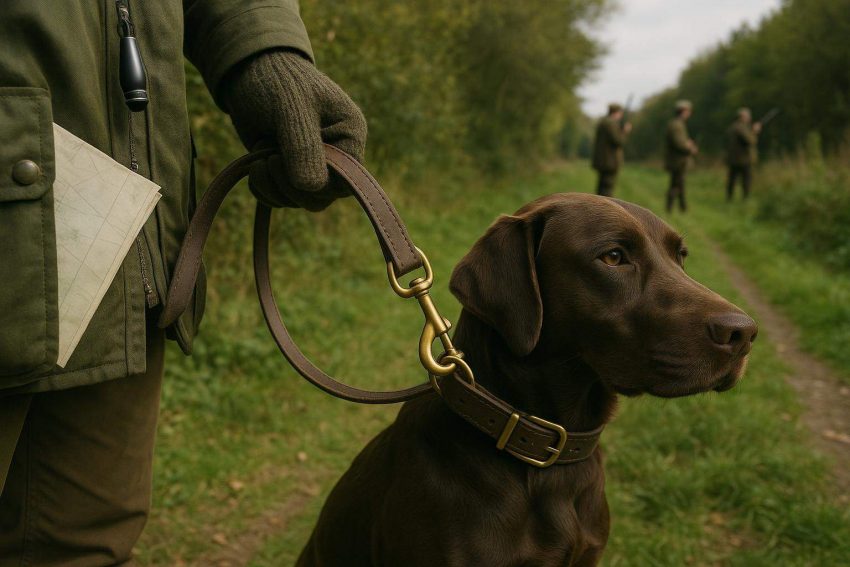
Navigating Public Footpaths During Your Shooting Day
A public footpath can change a shooting day into a series of problems. Difficulties often happen, especially when paths go through crops, woods or small roads. The best way to have a day is to plan and work together with others. Good route planning helps protect people and also helps the person, in charge make choices as the day goes on.
Assessing the Landscape: Know Your Crossings
Before the shooting starts it's important to understand the area. Start by looking at the map of the land maps from authorities and using the knowledge of the person who manages the land. Make sure to mark all footpaths, bridleways and restricted byways because even quiet paths can have people walking or families passing through.
It's important to walk the path that the shooting will use. Look for places that are hidden areas that're lower than the rest, gates and spots where people might not be seen. Knowing how long someone might stay out of sight and where the safest places to stop are can make a difference in safety.
Always check the rights of way and the current access rules because these can change without warning. Getting permission from the person who owns the land or the one who organizes the shoot is also important before you finish your plan. Keep in mind that temporary signs might not meet the law.
Establishing a Clear Stopping Protocol
Communication is very important. Everyone involved should know what to do when someone from the public is seen. The plan should be simple: the guns must be made safe. The nearest people helping should tell the person in charge while the dogs are either called back or kept away until the path is clear. Practicing this one command makes sure everyone knows their job.
Don't put all the responsibility on the person who's closest to the path. Choose someone to watch the route in places where its hard to see. If its not possible to see consider moving your position or leaving that part of the line.
Make sure not to start shooting until you're sure the person has gone far enough past the danger area-not just out of sight behind a hedge. Be careful of dogs that're not on a leash, children or horses that might stay and be ready to stop if needed.
Keeping Dogs Focused on Their Task
Dogs can bring some uncertainty during a shoot. It's important to keep them under control at all times. When approaching known paths using a leash is an idea making the dog sit or wait while the area is checked for safety.
Let the dog go only after you are sure the path is clear. In fact leading the dog past the path might be safer than sending it into bushes. Watch for signs that the dog's upset or distracted because these can mean problems. Any dog that does not listen to commands should be taken out of the line to keep things safe and to keep the dog confident.
The Importance of Caution in Shooting
In any shooting situation safety should be the priority. The best shot is taken when there is a line of sight no confusion about what's behind and no people or unexpected movement in the danger area. A public path gives reason to not take a shot if there is any doubt. Always check if a birds flight path could go toward the path. If there is a risk it's better to wait or move than to risk an accident.
Each person shooting should know their shooting area and limits before they start. Avoid moving your gun through or across paths and never depend on a friend to tell you when someone is coming while you focus on a bird. If a path is too close it's usually better to change your drive than to make a decision under pressure.
Responding to Discoveries
It's common for a public footpath to only become clear after something happens, like a gate opening or a rider coming out of the trees. When this happens stop moving make sure the line is safe and give the person the space they need to move without feeling crowded by people or dogs.
If you feel its needed to warn someone clearly say that shooting is happening nearby and show the person the way to go around. Don't block their way. Say they shouldn't be on the path. If they decide to keep walking wait until they are away before continuing.
If there are interruptions it might mean the plan for the day isn't right for the land. Changing the length of a drive starting in a place or changing the plan might be better than forcing a route.
Managing Game Responsibly
It's important not to leave any game, bullets or equipment on footpaths at gates or on the edges of roads. Pick up any game that falls and move it to a hidden area that's far from where people can go.
The person who moves the game needs to know where the dogs are because sending a dog to get game when people are nearby is dangerous. Always call the dog back to be safe then put the game before going on.
Before the day starts, do a check list:
– Mark all crossings and hidden places on the map.
– Choose someone to watch the route and decide on a stop word.
– Make sure where the guns, dogs and people who help will wait during breaks.
– Check that the background is safe and no one is in the danger area.
– Make sure all local rules about access and shooting are known.
– Decide in advance how to change the drives if more people're on the path.
In the end a good shooting day is not about how few interruptions happen. About the organizers ability to see changes, in the space stop when needed and keep people, dogs and game safe until everything is clear.